How Art Transforms Interior Spaces

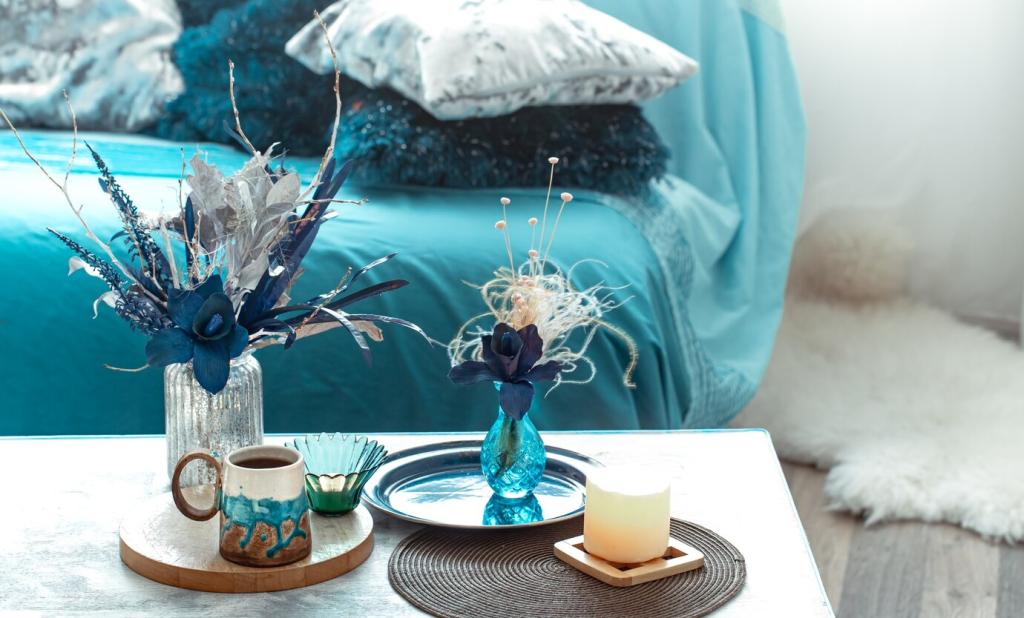
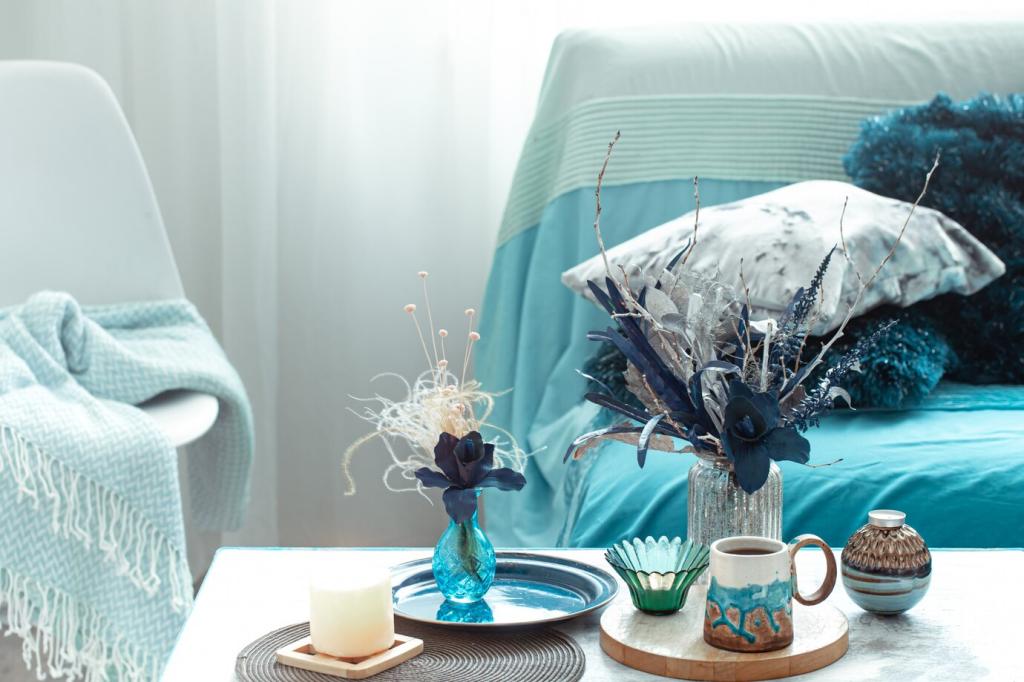
Research-backed color theory shows that blues and greens calm while saturated reds and yellows energize. Choose palettes that mirror your daily rhythms, so your art supports focus in the morning and brings softness to evenings without overwhelming the senses.
A strong focal artwork anchors a room and gently organizes how our eyes travel through space. Place a compelling piece opposite the entry or above a mantel to create a visual pause that invites people to linger, reflect, and share stories.
When art reflects personal milestones, cultural roots, or cherished places, rooms feel more authentic. A child’s framed sketch or a print from a meaningful trip turns a hallway into a narrative path that welcomes both guests and returning family members.

Room-by-Room Art Strategies

In social spaces, choose pieces that encourage dialogue and curiosity. A bold abstract with layered textures invites multiple readings, while a diptych can mirror the back-and-forth of conversation, giving guests a shared anchor to explore together.

Room-by-Room Art Strategies

Soft palettes, gentle forms, and nature-forward themes reduce visual noise before sleep. Place calming works where your eyes naturally land from bed, avoiding overly stimulating imagery so the room becomes a sanctuary for quiet restoration and deeper breathing.

Room-by-Room Art Strategies

Moisture-friendly prints, ceramics, and small framed works add playful character in high-activity zones. Choose pieces with lighthearted imagery or botanical motifs that make morning routines feel uplifting and transform quick moments into micro-rituals of delight.

Scale, Placement, and Visual Balance

An oversized work can unify a large wall better than several small frames. Balance it with generous negative space so the piece feels powerful rather than heavy, allowing furniture and architectural lines to support—rather than compete with—its presence.

Scale, Placement, and Visual Balance

A practical guide: center art around 57 inches from the floor for most viewers. For gallery walls, lay frames on the floor, trace paper templates, and test arrangements on the wall before hanging to ensure harmony, rhythm, and comfortable visual flow.

Paintings and Photography

Paintings bring depth through brushwork, glazes, and impasto that catch light dynamically. Photography contributes clarity and narrative specificity, grounding spaces with time and place—together, they balance emotion and story, adding both atmosphere and memory.

Textile Art and Acoustic Comfort

Wall hangings, quilts, and woven pieces soften echoes and add warmth. A vintage textile over a console introduces pattern, tactility, and cultural history, proving that art can be both visually compelling and functionally acoustic in lively, open-plan homes.

Sculpture and Ceramics in Motion

Three-dimensional pieces invite touch and create micro-landscapes on shelves and pedestals. Use varied heights and materials—clay, wood, metal—to cast changing shadows through the day, subtly animating the room as light shifts and conversations unfold.

Lighting: The Co‑Creator of Atmosphere

Diffuse harsh sun with sheer curtains or UV-filtering film to protect pigments and paper. Museum glazing reduces glare while preserving detail, so colors remain faithful and textures read clearly without forcing you to close the curtains every afternoon.
Featuring work by local artists turns your home into a conversation with your community. Attend open studios, ask about process, and share discoveries in our comments—your walls can amplify emerging talent while reflecting the culture right outside your door.

Stories, Provenance, and Connection

A small print from a seaside town or a ceramic bowl from a mountain village can anchor memories that brighten tough days. Arrange travel pieces together to form a narrative shelf, and tell us which journeys you’d like to see explored in future posts.

Stories, Provenance, and Connection

Evolving Your Collection with Care

Rotation as Renewal

Switching pieces seasonally refreshes rooms and your relationship with the work. Keep a simple inventory, note dimensions, and plan rotations that align with changing light and mood, ensuring each piece enjoys its moment without visual fatigue.

Simple Preservation Habits

Maintain stable humidity and avoid hanging works above radiators or in direct sun. Dust frames gently, use archival mats, and store temporarily retired art flat and protected—small routines that safeguard beauty and keep your interiors feeling lovingly curated.

Invite Dialogue and Feedback

Ask guests which piece surprised them, and invite subscribers to vote on your next wall arrangement. Engagement builds confidence, helps refine taste, and turns your home into a collaborative, evolving gallery shaped by shared curiosity and generous exchange.
Backyardscholarprintables
Privacy Overview

This website uses cookies so that we can provide you with the best user experience possible. Cookie information is stored in your browser and performs functions such as recognising you when you return to our website and helping our team to understand which sections of the website you find most interesting and useful.